Misla

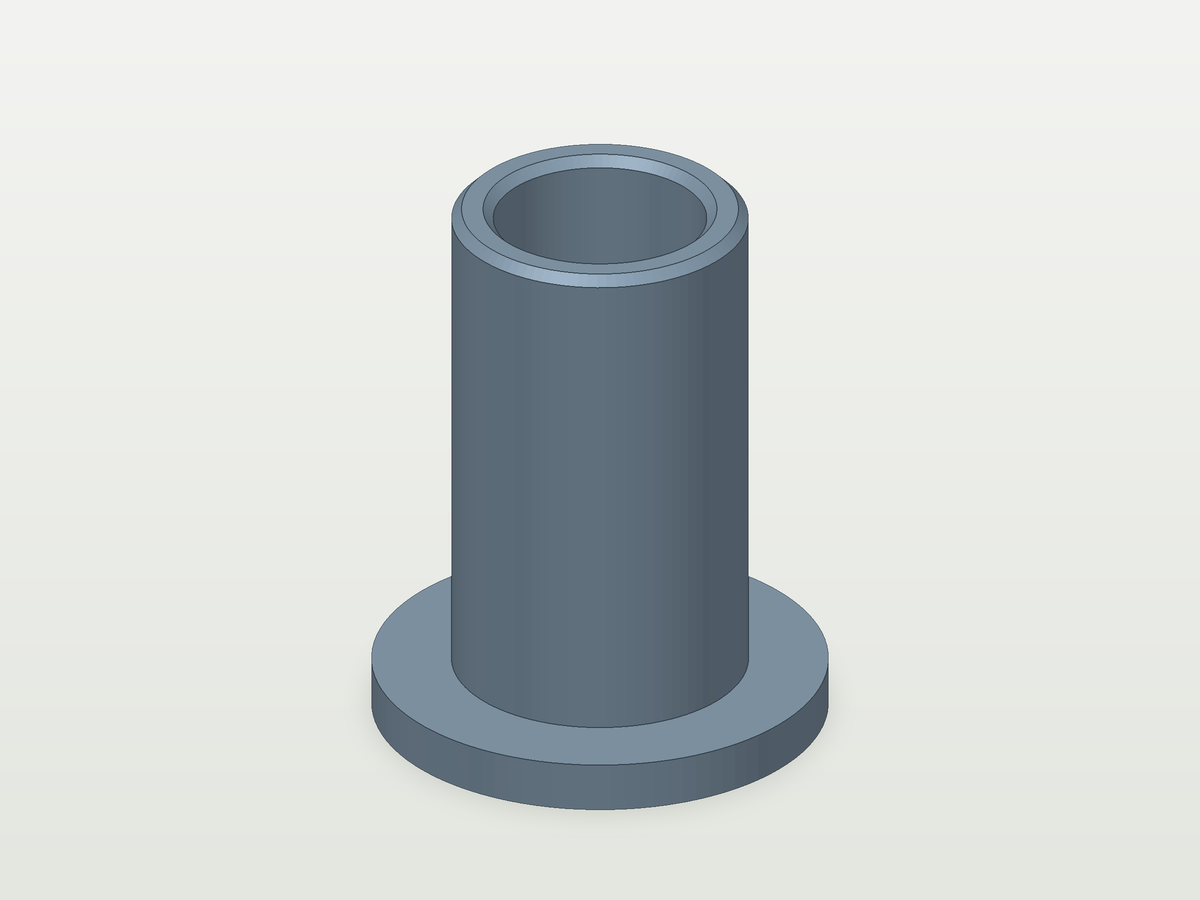
Reducing bushing, made to measure

Measure your shaft and the bigger hole it has to sit in, and say how far into the hole it goes. We cut a sleeve that fills the gap: the bore drawn a little over your shaft, the outside a little under your hole, with a flange at one end if you want one to stop it going in too far. It prints standing up, with no supports.

Reducing bushing, made to measure
Rendered at our default measurements — yours comes out to your numbers.
What you need before you start

What it will take

  • Shaft diameter: 1–150 mm
  • Diameter of the hole it goes into: 3–200 mm
  • Length into the hole: 2–150 mm
  • Flange diameter (0 for none): 0–250 mm
  • Flange thickness: 1–20 mm
  • Nozzle size: 5 to choose from
  • Filament: 4 to choose from

As it comes

Bore, as drawn8.4 mm
Outside, as drawn11.7 mm
Overall length22 mm
Filament, roughly1.8 g

Build plate: 18 mm as it comes, never more than 256 mm.

What you need to hand

  • A calliper for the shaft that goes inside and for the hole the bushing goes into.
  • How far into the hole the bushing goes.
  • If you want a flange, how wide and how thick.
  • Your nozzle size and the filament you will print it in.
Your shaft and your hole

Three things only you can tell us, measured with a calliper: the shaft that goes inside, the hole the bushing goes into, and how far into the hole it goes.

mm
Measure the shaft, rod or bolt that goes inside the bushing, with a calliper, where the bushing will sit. We draw the bore bigger than this by the shaft clearance.
mm
Measure the bigger hole the bushing fits into, with a calliper, across its narrowest point. We draw the outside of the bushing smaller than this by the hole clearance.
mm
How far the bushing goes into the hole, measured from under the flange. Usually the depth of the hole, or the width of the part it sits in.
A flange, if you want one

A flat collar at one end that sits against the mouth of the hole. It has to be at least 4 mm bigger than the hole. Set the diameter to 0 for a plain sleeve.

mm
A flat collar at one end that sits against the mouth of the hole, so the bushing cannot go in too far. It has to be at least 4 mm bigger than the hole. Leave it at 0 for a plain sleeve.
mm
How thick the flange is. Ignored when there is no flange.
The printer it will come off

Set these to the nozzle you will print with and the filament you will use. The nozzle decides whether the wall and the flange come out the way we drew them; the filament only sets the weight estimate.

The nozzle you will print with. It does not change the model — it decides whether the walls and the flange come out the way we drew them.
Sets the weight estimate. It does not change the model.
Finer adjustments
mm
How much bigger than the shaft the bore is drawn. Printed holes come out a little small, so we need at least 0.25 mm; more turns or slides more freely but sits less centred.
mm
How much smaller than the hole the outside is drawn. Printed outsides come out a little big, so we need at least 0.25 mm; more goes in more easily but sits less centred.

More for the workshop

  1. Spacer or washer

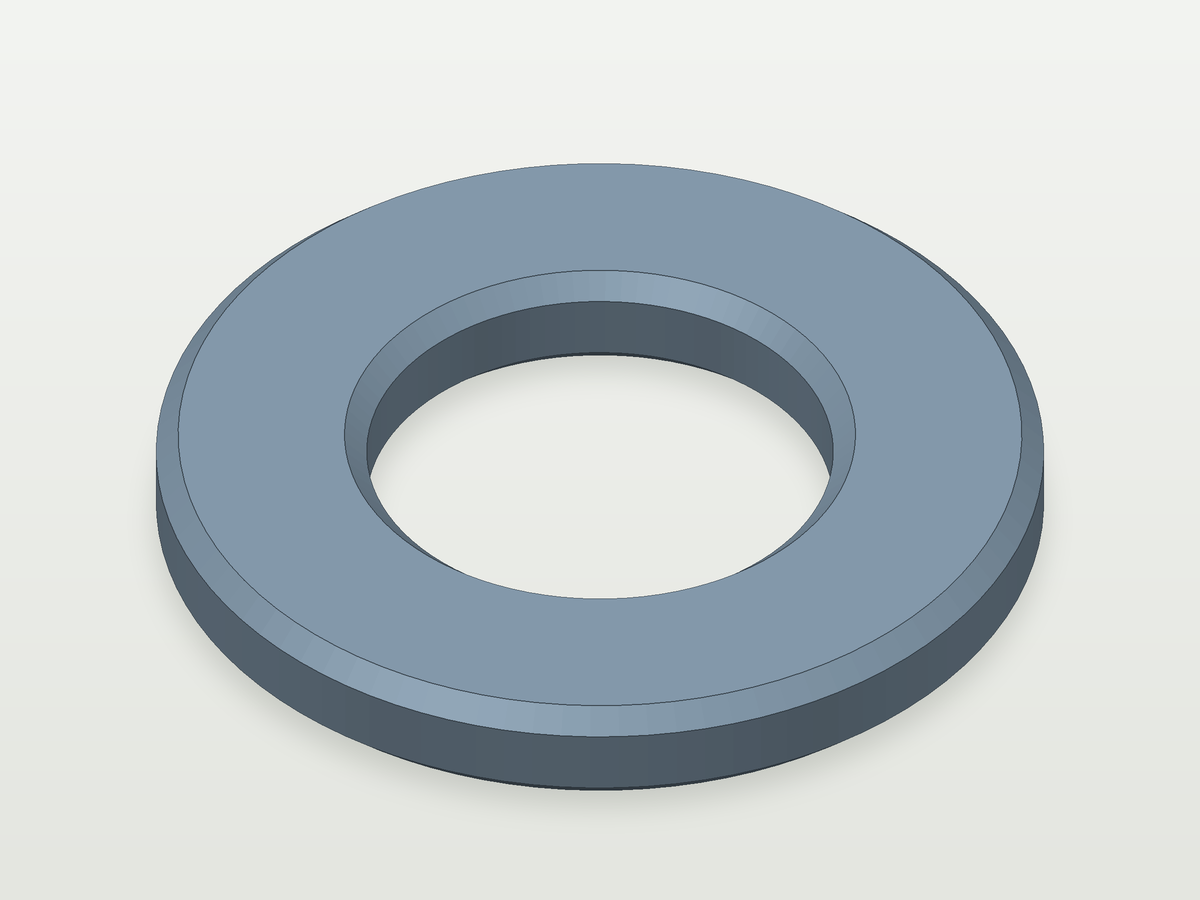
    A round spacer or washer cut to your bolt and to the gap you need to fill.

    What you need A calliper for the bolt, and the thickness and outside diameter you want.

    Try your numbers

  2. Spool hub adapter

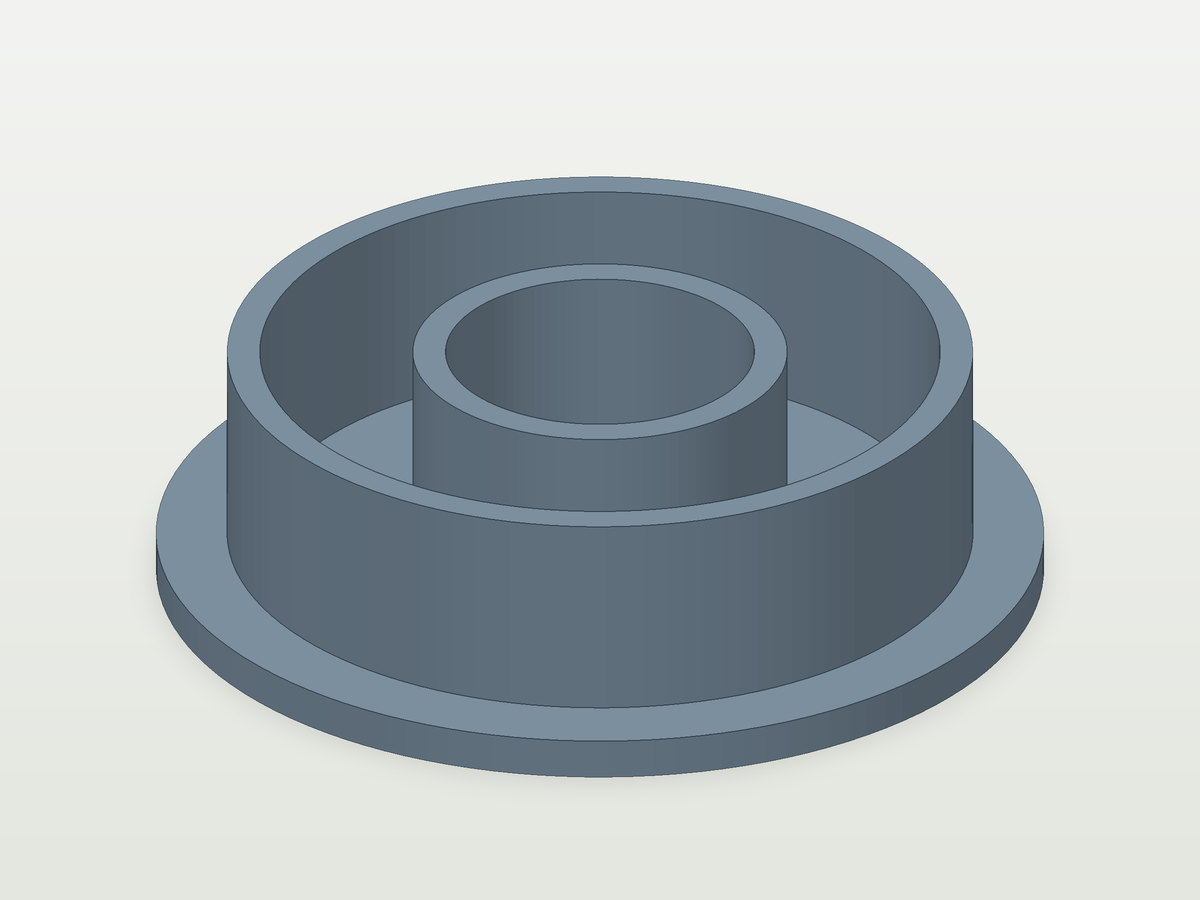
    A ring that makes a spool with a big centre hole sit on a thinner axle or holder, cut to the hole of your spool and the size of your axle.

    What you need A calliper for the spool's centre hole and your axle, and the spool's width at the hole.

    Try your numbers

  3. Vacuum hose adapter

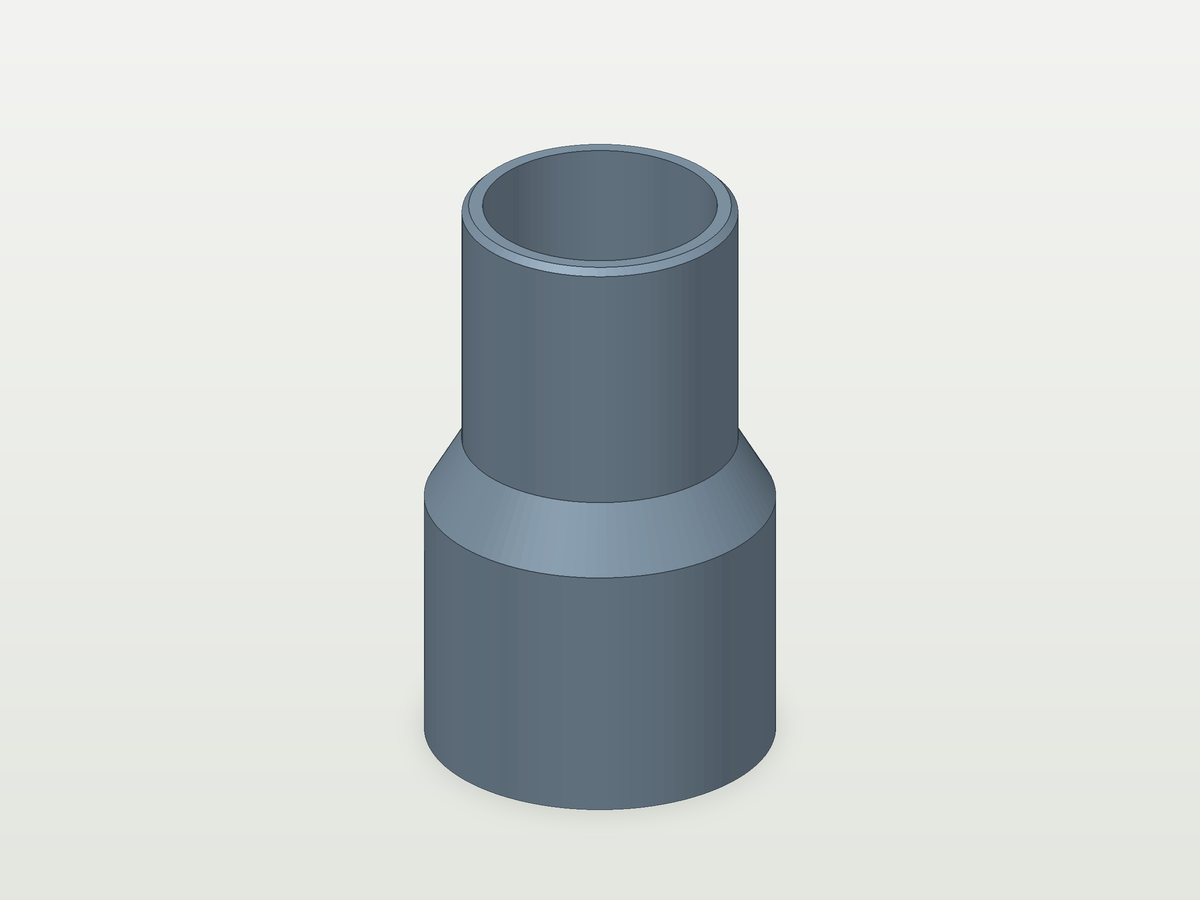
    An adapter between a vacuum hose and a tool's dust port, drawn from the two diameters you measure.

    What you need A calliper for the hose end and the tool's dust port.

    Try your numbers

Similar parts: Adapters and reducers · Spacers and bushings · Bolt or shaft

See all 13 in Workshop and filament

Reviews

No reviews yet.

Reviews come from subscribers who have downloaded this part.