Misla

Vacuum hose adapter, made to measure

Join your vacuum hose to the dust port of a saw, sander or router. Measure the opening one end pushes into and the tube the other end slides over, and we draw both ends from your figures with the clearance you pick, joined by a taper that prints without supports.

Vacuum hose adapter, made to measure
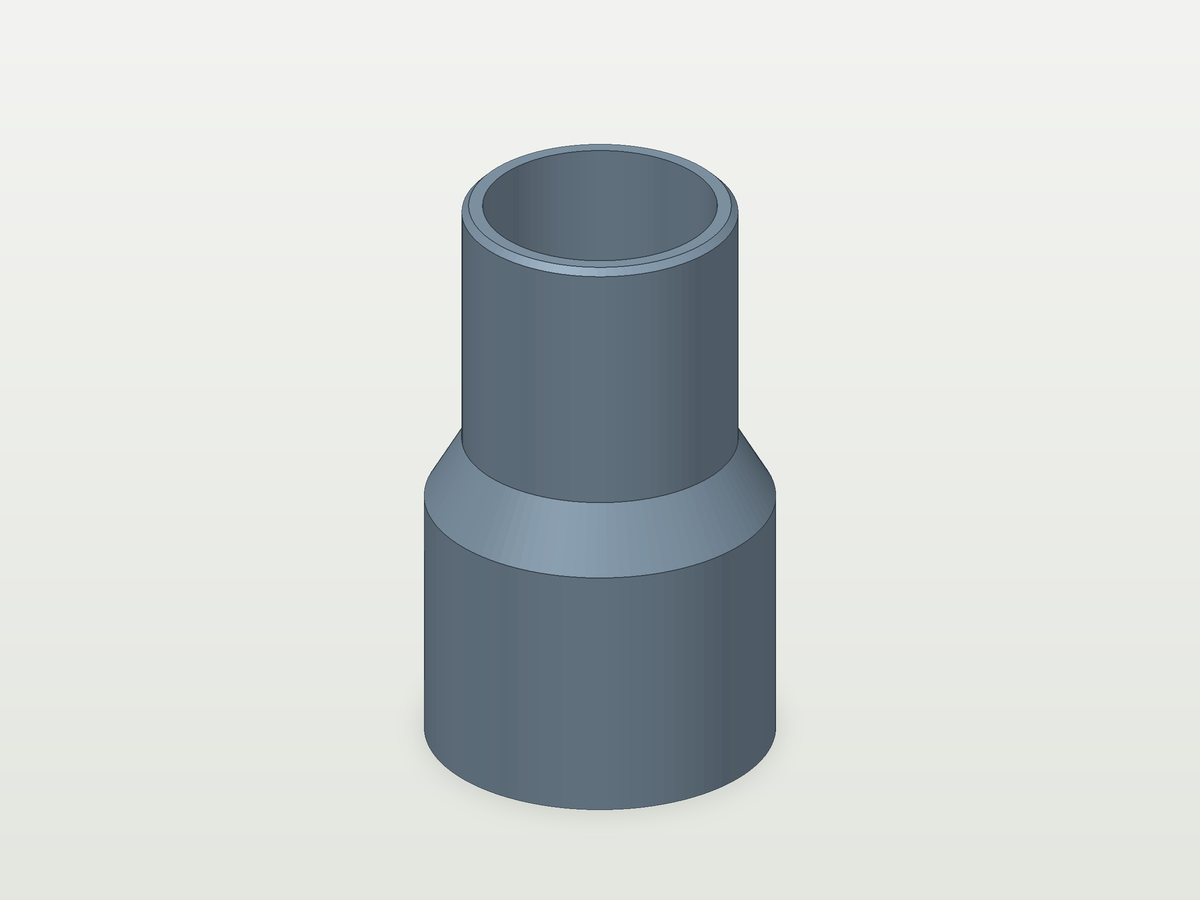
Rendered at our default measurements — yours comes out to your numbers.
What you need before you start

What it will take

  • Inside diameter of the opening it pushes into: 12–100 mm
  • Outside diameter of the tube it slides over: 10–100 mm
  • How far it pushes in: 10–100 mm
  • How far it slides over: 10–100 mm
  • Nozzle size: 5 to choose from
  • Filament: 4 to choose from

As it comes

End that pushes in, outside as drawn31.60 mm
End that slides over, bore as drawn35.40 mm
Clearance left if the print comes out tight0.20 mm
Narrowest passage through it26.8 mm

Build plate: 41 mm as it comes, never more than 256 mm.

What you need to hand

  • A calliper for the two ends you are joining: the inside diameter of whichever is a hole, and the outside diameter of whichever sticks out.
  • How far each end can reach before the first rib or step.
  • Your nozzle size and the filament you will print it in.
Your hose and your tool

Measure with a calliper, in two directions at right angles. Whichever of the two is a hole, give its inside diameter; whichever sticks out, give its outside diameter.

mm
One end of the adapter pushes into an opening — the cuff of the hose or the dust port of the tool, whichever is the hole. Measure across the inside of that opening with the jaws of a calliper, in two directions at right angles, and give the smaller figure.
mm
The other end slides over a tube — the dust port of the tool or the end of the hose, whichever sticks out. Measure across the outside of it with a calliper, in two directions at right angles, and give the larger figure.
The adapter

How far each end reaches, up to the first rib or step. How snug the fit is drawn, how steep the taper is and the wall are under Finer adjustments.

mm
The length of the end that goes into the opening. Up to the first rib or step inside it.
mm
The length of the end that slides over the tube. Up to the first rib or step on the outside of it.
The printer it will come off

Set these to the nozzle you will print with and the filament you will use; what is filled in is only our usual setting. The nozzle decides whether the walls come out the thickness we drew. The filament does not change the model.

The nozzle you will print with. It does not change the model — it decides whether the walls come out the thickness we drew.
Only a note on where each filament suits. It does not change the model.
Finer adjustments
mm
How much looser than your two figures we draw both ends, across the diameter. The smallest setting gives the snuggest fit we will send out; more goes on more easily and holds less.
°
How steeply the middle section narrows from one end to the other, measured from upright. 45° is the shortest taper that prints without supports; a gentler one is longer.
mm
The thickness of the wall, the same at both ends. Thicker is stiffer and narrows the passage through the end that pushes in.

More for the workshop

  1. Screwdriver rack

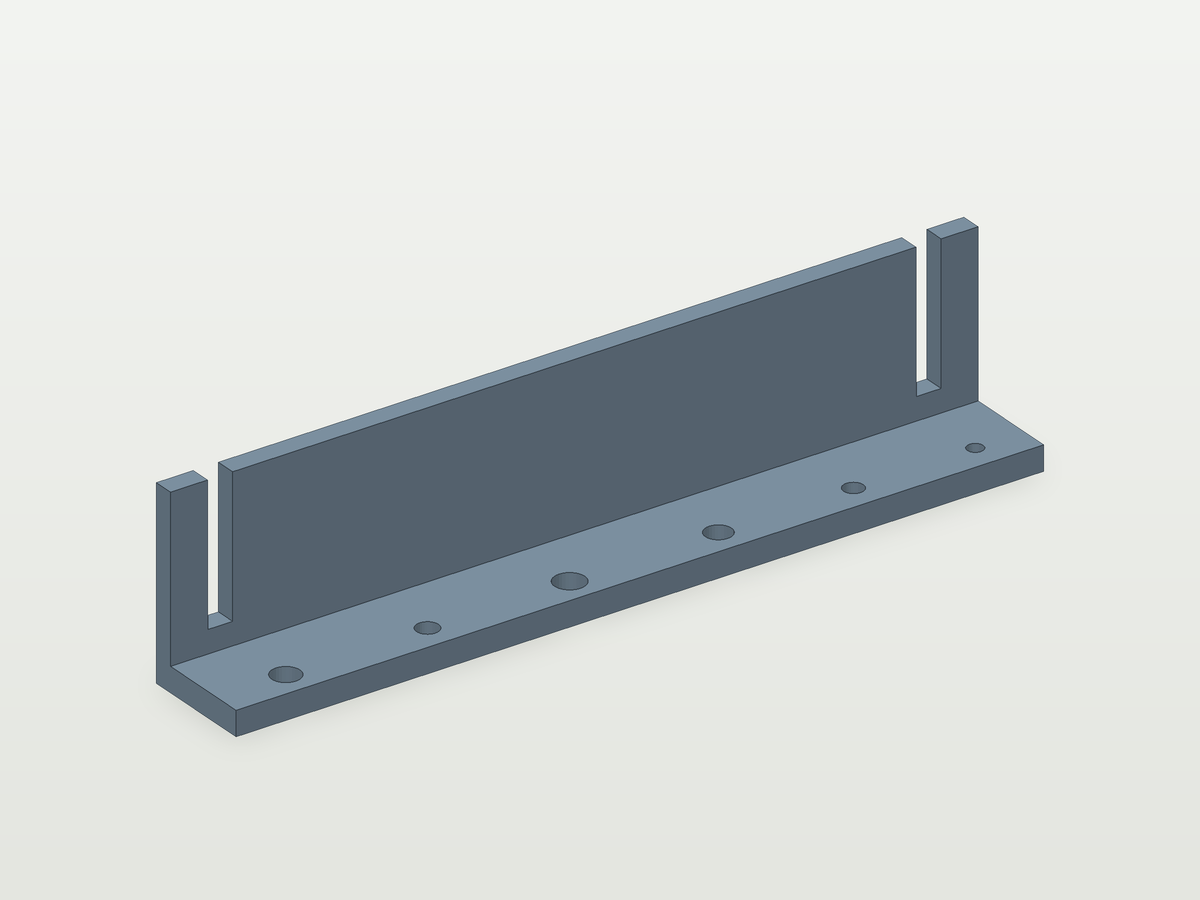
    A wall rack for the screwdrivers you already own, with each hole cut to its driver and spaced for its handle.

    What you need A caliper, the screwdrivers for the rack, your wall space, and the wall screws and washers you will use.

    Try your numbers

  2. Soft jaws for your vice

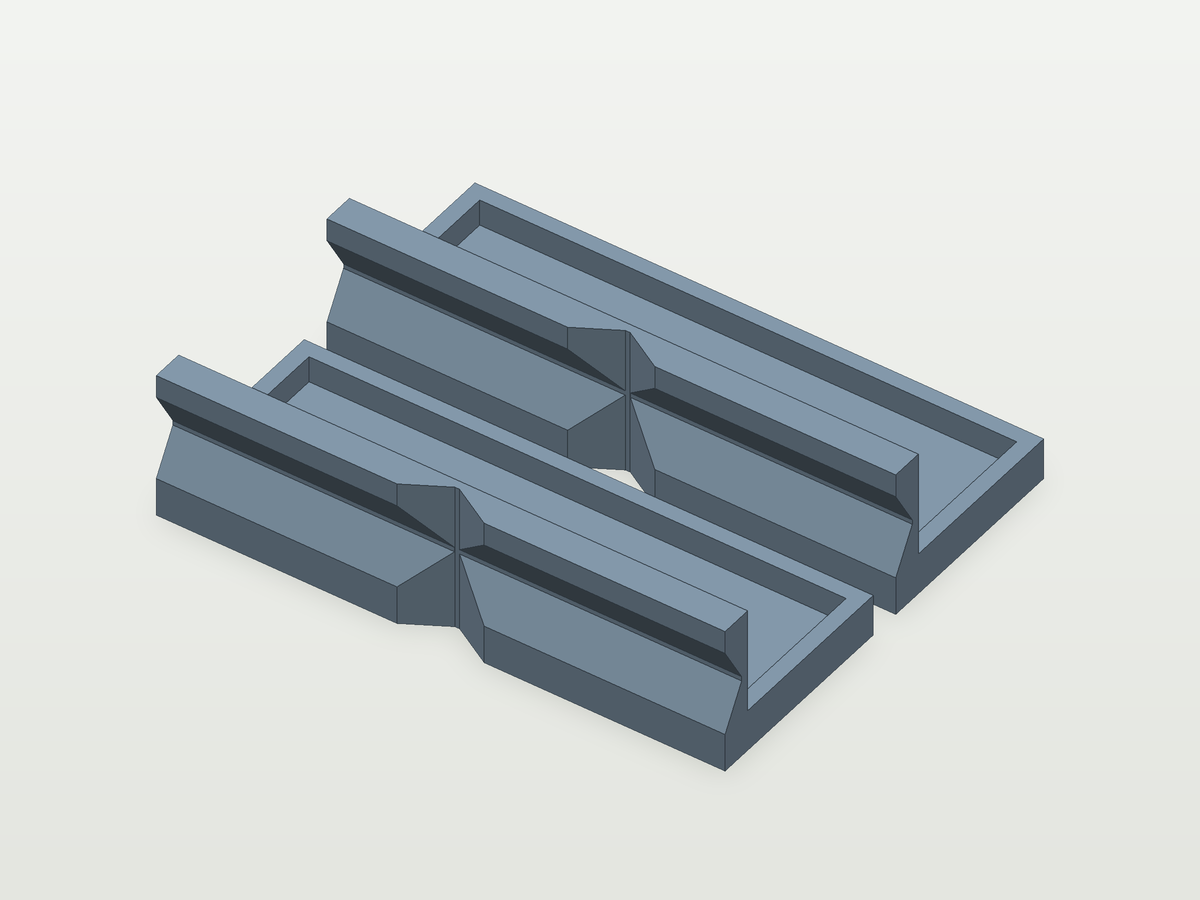
    Plastic caps for your vice jaws, with V grooves cut for the range of round bar you hold.

    What you need One vice jaw's width, face height and depth, and the thinnest and thickest bar you want to hold.

    Try your numbers

  3. Reducing bushing

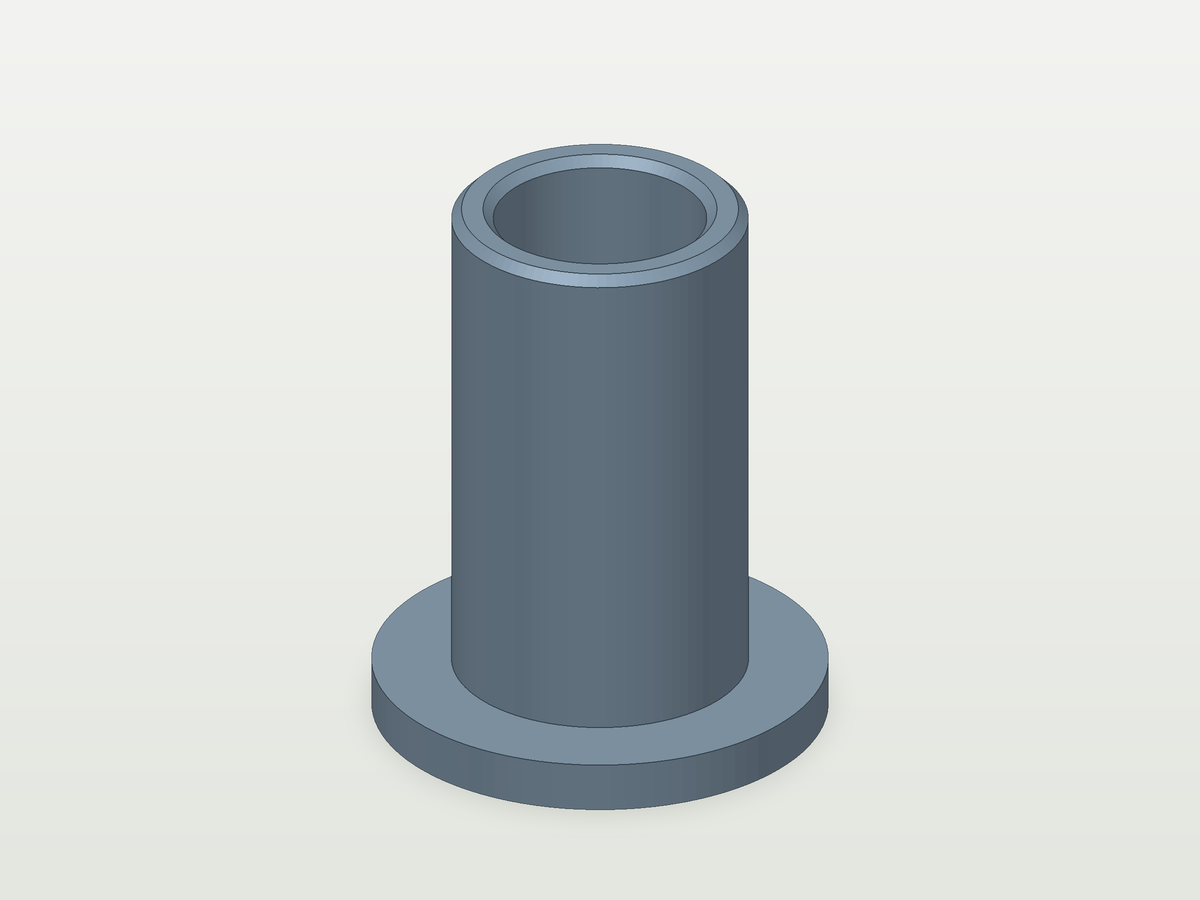
    A sleeve that fits your shaft into a bigger hole, cut to both sizes, with an optional flange.

    What you need A calliper for the shaft and the hole, and how far into the hole it goes.

    Try your numbers

Similar parts: Adapters and reducers · Tools and bits

See all 13 in Workshop and filament

Reviews

No reviews yet.

Reviews come from subscribers who have downloaded this part.